How to Apply for the Huri Koli Hasu Sedd Subsidy Scheme
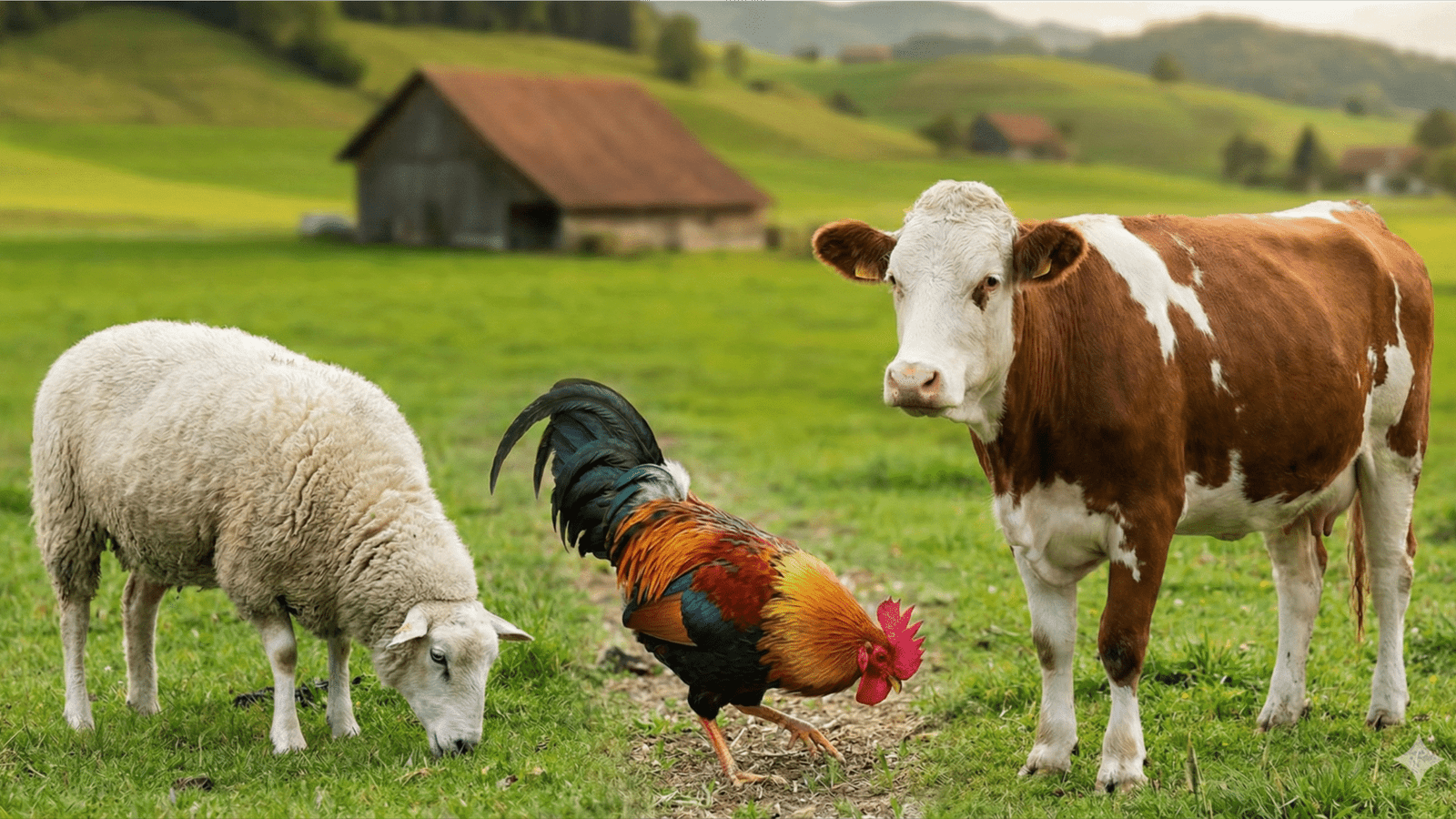
The Huri Koli Hasu Sedd Subsidy Scheme is an important government subsidy program designed to support small farmers, rural families, and livestock owners who wish to expand their cattle farming activities. This scheme offers financial assistance, dairy development support, and livestock purchase subsidies to encourage rural employment and strengthen the agricultural economy. Understanding the application procedure properly ensures that eligible farmers receive the benefits without delays.
1. Overview of the Scheme
The Huri Koli Hasu Sedd Subsidy Scheme aims to promote sustainable dairy farming, increase milk production, and provide opportunities for rural households to earn additional income. Under this initiative, beneficiaries can receive a subsidy for purchasing cows or upgrading their cattle shed. By offering this support, the government intends to reduce financial burdens and motivate farmers to adopt better livestock management practices. This scheme is especially beneficial for small and marginal farmers who require government-backed support to improve their livelihood.
2. Eligibility Criteria
To apply for the scheme, applicants must meet certain eligibility requirements. They are as follows:
- The applicant must be a resident of the concerned district or state where the scheme is offered.
- The beneficiary should be a farmer, livestock owner, dairy worker, or part of a self-help group (SHG).
- Priority is usually given to economically weaker sections, women beneficiaries, and tribal communities.
- The applicant must have a registered bank account for receiving the subsidy amount.
- Some regions require the applicant to already have a cattle shed or land for setting up livestock infrastructure.
Meeting these criteria increases the chance of approval for this government financial assistance program.
3. Documents Required
Before applying, prepare the following documents to ensure a smooth verification process:
- Aadhaar Card
- Ration Card
- Caste Certificate (if applicable)
- Bank Passbook copy
- Land Ownership Document or Lease Paper
- Passport-size photographs
- Livestock purchase quotation, if required
- Income Certificate
- Residential Proof
Having all documents ready helps avoid delays in receiving rural development subsidies.
4. Application Process
The application procedure is simple and can be completed either online or offline, depending on your region’s government portal.
Step 1: Visit the Official Portal or Local Office
Farmers should visit the Agriculture Department, Animal Husbandry Office, or the official government subsidy portal of their state. Offline applications can be submitted through the Taluk Office, Gram Panchayat, or Dairy Cooperative Society.
Step 2: Fill Out the Application Form
Carefully fill in your personal details, bank information, cattle purchase details, and livestock unit requirement. Ensuring accurate information increases approval chances.
Step 3: Attach Required Documents
Submit all necessary documents along with the application form. Incorrect or missing documents may cause rejection.
Step 4: Verification by Officials
After submission, government officers will verify your documents and inspect your existing cattle shed or land, if required.
Step 5: Approval and Subsidy Release
Once approved, the subsidy amount will be transferred directly to your bank account under the government’s transparent Direct Benefit Transfer (DBT) system.
5. Benefits of the Scheme
The Huri Koli Hasu Sedd Subsidy Scheme offers multiple advantages:
- Reduces the financial burden of purchasing cattle
- Boosts dairy farming income
- Strengthens rural economy and self-employment
- Encourages modern livestock practices
- Provides long-term economic stability for rural households
Conclusion
The Huri Koli Hasu Sedd Subsidy Scheme is an excellent opportunity for farmers to upgrade their livestock business with the support of government-funded agricultural development programs. By following the proper application steps, preparing the required documents, and ensuring eligibility, beneficiaries can easily obtain financial support and improve their livelihood.